The Importance of a Healthy Smile

posted in: Blogs | 0

Oral Health and a Healthy smile

Importance of Oral Health

Oral health is essential for overall well-being. It enables proper eating, speaking, talking and social confidence. It also prevents oral diseases such as tooth decay, gum disease, tooth wear and oral cancer. Poor oral health can lead to pain and tooth loss, as well as general medical health issues, including heart disease and diabetes.

Importance of a Healthy Smile

There’s been many studies over the years that have looked at the benefits of a healthy smile. A single smile can bring many advantages to us, some of which are below.

dental hygiene greenford perivale ealing

Attraction

Our smile is often the first feature noticed when we meet someone. Whether it is a professional or social meeting, we are often drawn to those people who are smiling.

Mood changing

When we are feeling down or not so good, a smile can lift our spirits and lighten our mood. A smile can help cheer up someone who is sad. It can also reassure someone who may be anxious.

Relieves stress

With our busy lifestyles, it’s all so easy to get stressed. Stress can often be easily recognised on someone’s face. Stress can affect our mental health as well as our physical health. It can make someone more susceptible to certain medial health conditions such as cardiovascular and diabetes. Smiling can be a simple way of relieving stress for yourself and others.

Boosts the immune system

Smiling relaxes us, and when we are relaxed, our immune system works better. This can help reduce our risks to other general medial health conditions

Lowers blood pressure

Blood pressure is reduced as a result of being more relaxed when smiling.

A natural pain reliever

When we smile, we release endorphins and serotonin which are natural pain relievers.

Appearance

Smiling lifts the face muscles which makes us look younger.

Confidence

People who smile look more confident. Showing confidence can contribute to success in professional life at work as well as in relationships in personal life.

So the next time you are feeling down or see someone else who is feeling down … SMILE … it will benefit you both !

At Dentael, we provide a range of modern dental treatments, including regular dental check ups, dental hygiene, professional teeth whitening, composite dental bonding, dentures and bridges, and much more. We aim to put you at ease so you can relax during your dental treatment. Whatever your dental concerns, we’re here to help you find solutions. As a long standing member of Royal College of Surgeons of England. our dentist has years of experience and has a friendly approach.

“ Professional, comfortable and felt like I was in good hands. ”

Our modern dental clinic is conveniently located for residents, workers and students in the West London and Middlesex areas of Ealing, Greenford, Perivale, Hanwell, Northolt, Acton, Harrow, Wembley, Southall, Ruislip, Chiswick, Hounslow, Hillingdon, and beyond. For modern dentistry in a calm atmosphere, book your appointment.  
Online Appointment Booking Form

Name

Email address

Telephone number

Preferred appointment day & time slot ?

Bruxism Night Guard

posted in: Blogs | 0

Night Guard for Bruxism and Teeth Clenching

Night Guard to relive symptoms of bruxism teeth clenching

Bruxism is a common problem these days. Waking up with a stiff or aching jaw are signs of Bruxism. A person may be unaware of a teeth clenching habit while asleep. At Dentael, we can provide a custom night guard to help settle bruxism symptoms. Book your appointment with our experienced dentist.

bruxism night guard teeth clenching

What is Bruxism?

Bruxism, also known as parafunction, is often used to describe when a person has a habit of teeth clenching or teeth grinding. This usually occurs while sleeping. This is very common in the population with many people suffering from it at some time in their lifetime. It ‘s often worse at times of stress, such as exams, change in job or other life pressures. Significant forces can be placed on teeth during these times, putting them at risk of cracking.  

What are the symptoms of teeth clenching?

Commonly stiff jaw or aching face when waking in the morning. Many people often clench or grind their teeth unknowingly while they’re asleep. Others may be teeth clenching or grinding while awake when using the computer or watching television.  The muscles around the face ache and there is jaw pain. There may be clicking of the jaw joints when opening and closing the mouth and sometimes headaches.

What are the signs of teeth clenching?

Some patients have no pain or tenderness of their face muscles or joints, but there may be signs of chipped or worn teeth. Often patients have tense facial muscles and can have limited opening their mouth. A clicking sound may also be heard from the jaw joint area when opening and closing the mouth. Teeth with underlying gum disease may loosen further due to the strong biting forces placed on them.

How can bruxism be treated?

Parafunction often has multiple causes, a major one being stress. First step would be to book your appointment with our dentist so we can help to confirm the bruxism condition and treat it.

Diet, relaxation, jaw exercises can often provide relief. Sometimes medication is needed. 

A custom made night guard provided by our dentist helps reduce or eliminate  jaw pain and jaw muscle tension. It will also prevent tooth damage caused by teeth clenching or grinding. You will receive a written treatment plan which can be given to your dental insurance such as Simplyhealth for reimbursement.

More Frequently Asked Questions About Night Guard

Why custom made night guard​ is better than over the counter?

Custom made night guards fit better than a boil and bite night guard. Therefore providing better protection for the teeth and are more comfortable to wear.

How to mould night guard​?

The dentist places a jelly like material into the mouth. This sets around the teeth. It takes an impression  of the teeth. The model produced is used to construct a close fitting custom night guard.

How to clean night guard​?

Custom night guards should be cleaned before and after every use. A toothbrush should be used. It is brushed using cold or warm water and a detergent such as fairy liquid. DO NOT use hot water.

“ Very relaxed, not anxious.
Excellent Service. ”

At Dentael,  we’re here to help with preventing dental problems as well as helping with bruxism, teeth clenching, teeth grinding habit causing symptoms such as jaw ache and jaw pain. Our dentist has 30 years experience dedicated to providing high quality dental care for patients of all ages. She is a long standing member of the Royal College of Surgeons of England, as well as the British Dental Association. 

Our modern dental clinic is based in Ealing Perivale Greenford and is ideally located for residents, workers and students in West London and Middlesex. If you have jaw pain and need a custom mouthguard, we’re here to help. So book your dental appointment.

Experience high quality dental care in a calm environment by a compassionate professional.

Online Appointment Booking Form

Name

Email address

Telephone number

Preferred appointment day & time slot ?

Cracked Tooth Syndrome Explained

posted in: Blogs | 0

Cracked Tooth Symptoms and Treatments

What is Cracked Tooth Syndrome ?

cracked tooth

If you’re getting pain when chewing, you may have cracked a tooth.

Unlike teeth with obvious fractures, teeth with cracked tooth syndrome usually have fractures that are too small to be seen on X-rays. Sometimes the fracture is below the gum line, making it even more difficult to identify.  

Cracked tooth syndrome more often occurs in molars. Eating hard foods such as nuts, may make you more susceptible to cracking a tooth.  

People who grind or clench their teeth may also be more susceptible to cracked tooth syndrome because of the constant forces put on their teeth. Sometimes a person’s normal bite causes certain molar cusps (the highest points of the tooth) to exert so much pressure on the opposing tooth that it cracks. Actress Demi Moore revealed in a Tonight Show interview, that she lost front teeth due to stress and grinding her teeth. Actress Charlize Theron also cracked 2 teeth due to clenching her jaw so hard while filming.  

Teeth with large fillings or teeth that have undergone root canal treatment are weaker than other teeth and may be more likely to crack. People with one cracked tooth are more likely to have others, either at the same time or in the future.

Cracked tooth symptoms

You may experience pain in the tooth when you bite or chew. However, it probably will not happen all the time. The tooth may be painful only when you eat certain foods or when you bite in a specific way. You will not feel a constant ache, as you would if you had a cavity or abscess, but the tooth may be more sensitive to cold temperatures. If the crack worsens, the tooth may become loose. Many people with cracked tooth syndrome have symptoms for months, but it’s often difficult to diagnose because the symptoms are not consistent.

Diagnosis of cracked tooth syndrome

Diagnosis of cracked tooth syndrome is often difficult. X rays often do not show the crack.  

Expected duration of cracked tooth syndrome

How long symptoms last depends somewhat on how quickly a cracked tooth can be diagnosed. Even then, treatment may not always completely relieve the symptoms.

Prevention of cracked tooth syndrome

Grinding or clenching your teeth can increase your risk of cracked tooth syndrome. A mouth guard may be advisable. Hard foods such nuts may cause a tooth to crack. Avoiding placing objects in the mouth such as trying to open bottles with your teeth.

Treatment for cracked tooth syndrome? How to fix a cracked tooth?

Treatments for cracked tooth syndrome do not always completely relieve the symptoms. Treatment depends on the location, direction and extent of the crack. Cracks vary from superficial ones in the outer layers of the tooth to deep splits in the root affecting the pulp (the centre of the tooth, which contains the tooth’s nerves). Treatment can vary and options may include filling, crown, root canal treatment or sometimes the tooth needs extraction. A consultation and examination is recommended in order to assess each individual situation so appropriate treatment options can be discussed.

More frequently asked questions about tooth replacement …

Does a cracked tooth need to be pulled​?

No, not always. It depends on the symptoms.

Can a cracked tooth be repaired​?

Yes, but this depends on each individual patient. Sometimes a tooth can be repaired with composite dental bonding. However sometimes a crown or onlay is required and maybe even root canal treatment.

How much is cracked tooth repair cost​?

This depends on what treatment is required. A custom made mouth guard to prevent further damage and protect the tooth is £120. More extensive treatments such as crown or onlay or root canal treatment can be from £500 upwards. A specific price is given after a consultation to assess the tooth.

“ Fantastic experience, ensuring a quality job has been undertaken whilst also always making sure my comfort.
Excellent job ! ”    

At Dentael, we aim to put you at ease so you can relax during your dental visit. If you’ve cracked a tooth, we’re here to help you. As a long standing member of Royal College of Surgeons of England. our dentist has years of experience and has a friendly approach. We offer dental composite bonding in Greenford Ealing and surrounding areas as part of our range of modern dental treatments. 

Our modern dental clinic is conveniently located for residents, workers and students in the West London and Middlesex areas of Ealing, Greenford, Perivale, Hanwell, Northolt, Acton, Harrow, Wembley, Southall, Ruislip, Chiswick, Hounslow, Hillingdon, and beyond. For modern dentistry in a calm atmosphere, book your appointment.  
Online Appointment Booking Form

Name

Email address

Telephone number

Preferred appointment day & time slot ?

Trusted Female Dentist

posted in: Blogs | 0

Female Dentist near you

Do you prefer to see a female dentist?

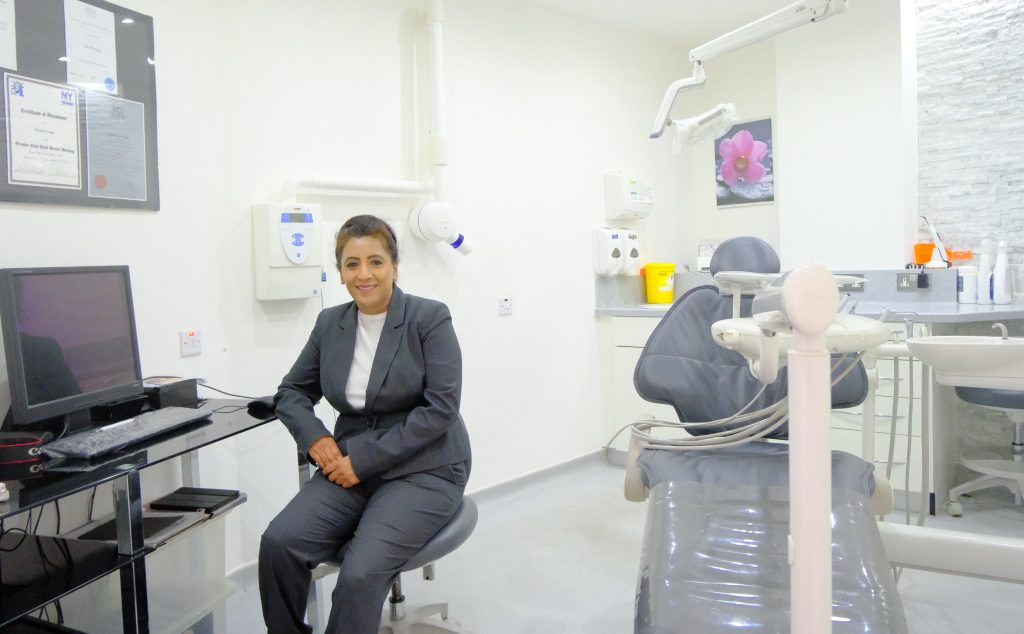
Welcoming new patients looking for a female dentist. Appointments are available with our experienced, friendly female dentist.

Dr Rashpal K Saggi  BDS(Lond) MFDS RCS(Eng)rashpal dentist 

Principal Dentist 

GDC Number 71128


With 30 years experience, Rashpal has provided general dental care to the highest levels and patients consider her an excellent dentist. 

Rashpal graduated from King’s College London University in 1995 with her BDS degree. She won prizes in Prosthetic Dentistry and Orthodontics. She also spent an elective period at Harvard Dental School, USA. 

Following Graduation she held the post of Dental House Officer at King’s College London Dental Hospital. Her time was spent in the Departments of Restorative Dentistry, Paediatric Dentistry, Orthodontics and Primary Dental Care. She continued her postgraduate education, and in 1998 obtained her MFGDP  from the Royal College of Surgeons of England,  demonstrating her knowledge and competency as a general dental practitioner. She is also a long standing member of the British Dental Association. 

Rashpal completed her Vocational Dental Training in General Dental Practice in Hertford, after which she joined a dental practice in Hounslow, West London. Here, she remained for thirteen years prior to setting up Dentael in 2014. A new modern dental practice, equipped with advanced technology, located in Perivale, Ealing. Here she offers affordable private dental care to all ages.

She has been an Approved Trainer on the London Deanery Dental Vocational Training Scheme, for newly qualified Dentists. She has also had input in product development for a world leading dental company.

Rashpal is an approved Clinical Assessor for Military Veterans . She was also invited to participate in The Parliamentary Review 2019.

Keeping up to date with the latest technological advances in dentistry, Rashpal has attended courses in both the UK and USA. She continues to regularly attend dental conferences, seminars and courses. Although Rashpal provides all types of dental treatments, her special  interests are in Restorative Dentistry.

She has a keen interest in Modern Minimally Invasive Dentistry. This includes using modern adhesive techniques. Her aim is to preserve tooth structure wherever possible by avoiding drilling and cutting teeth. With the use of Composite Dental Bonding, Adhesive Tooth Coloured Restorations, Vital Pulp Therapy, she continues to help repair damaged teeth and improve smiles.

Rashpal ‘s first language is English. In addition she is also fluent in punjabi speaking.

“ Excellent manner and an enjoyable experience attending the dental practice! ”

Based in Greenford Perivale Ealing, Dentael is ideal for patients living, working or studying in and around Middlesex and West London.

Our dental clinic serves the areas of Greenford, Perivale UB6, Ealing W5, W7, Hanwell W13, Northolt UB5, Southall UB1 UB2, Wembley HA0, Park Royal NW10 and beyond. Our female dentist provides gentle, high-quality dental care for the whole family – From routine check-ups, to modern adhesive cosmetic treatments, we aim to provide an excellent service to help you achieve a healthy confident smile. 

Online Appointment Booking Form

Name

Email address

Telephone number

Preferred appointment day & time slot ?

Diabetes affects on Oral Health

posted in: Blogs | 0

Diabetes and the Mouth

Diabetes affects on oral health: A Guide

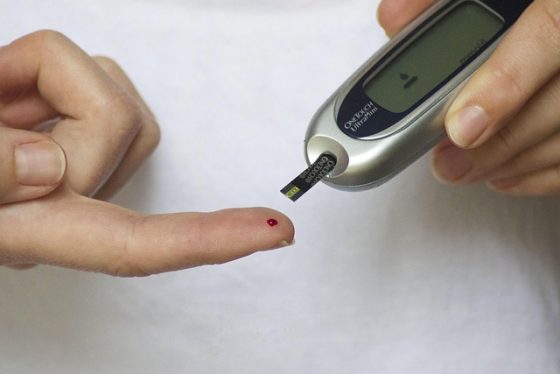
If you have diabetes it can affect many parts of your body, including your mouth. Diabetes affects oral health due to high blood sugar levels. If your blood sugar level is not controlled, you may have more plaque bacteria than most people.This can increase your risk of dental disease such as gum disease, tooth decay and infections.

diabetes affects on oral health, ealing dentist

Can diabetes cause gum disease?

Yes, diabetes can cause gum disease. High blood sugar levels can increase the amount of plaque in the mouth.

Plaque is the sticky layer of bacteria that forms on teeth and gums. If it is not removed it can lead to gum infections. Having more plaque bacteria in the mouth increases the risks of having gum disease. Gingivitis is the early signs of gum disease, caused by build up of bacterial plaque and tartar on teeth and gums. If you have diabetes, it is harder for your body to control plaque bacteria, which can lead to red gums, swollen or tender gums and gums that bleed easily.

High blood sugar level reduces the ability of white blood cells to fight infections, making diabetics more prone to gum infections, inflammation, and potential tooth loss.

Does Diabetes affect teeth?

Yes, diabetes can affect teeth. High blood glucose levels can also lead to high glucose levels in saliva. This can contribute to plaque buildup. The bacteria in plaque can produce acids that cause tooth decay.

Does diabetes cause mouth ulcers?

Yes, diabetes can cause mouth ulcers. This is largely because high blood sugar weakens the immune system and impairs the body’s ability to fight infection and heal tissues.

What are other oral health effects of diabetes?

Diabetes can cause dry mouth, so there is less saliva flow, also known as Xerostomia. Saliva helps prevent frictional mouth ulcers such as from dentures, retainers or mouth guards that are rubbing.

Dry mouth can also lead to fungal infections like thrush, because elevated sugar levels in saliva foster the growth of fungi and bacteria. These cause painful red or white sores.

Reduced saliva flow also leads to a higher risk of cavities, because saliva’s buffering action helps protect teeth.

People with diabetes have slower healing. Therefore mouth ulcers or infections, such as those from dental procedures or dentures, take longer to heal.

Can oral health affect diabetes?

Yes, poor oral health can affect diabetes. Gum disease causes inflammation, which can enter the bloodstream and elevate blood glucose levels making diabetes worse.. Treating gum disease and maintaining good oral hygiene can help stabilise blood sugar control.

Tips to control diabetes and maintain a healthy mouth

Blood Sugar Control

Managing blood glucose levels is critical to reducing the severity of oral complications. Controlling your sugar intake and dietary habits will help control diabetes.

Regular Dental Check Ups

Frequent visits to the dentist are necessary for early detection of dental disease such as gum disease and tooth decay, as diabetics are at higher risk.

Good Daily Oral Hygiene

Brushing twice daily with fluoride toothpaste and cleaning between teeth daily is essential to prevent plaque buildup.

Quit Smoking

Smoking significantly worsens the risk of gum disease in diabetics, as well as having many other negative effects on health.

“ My appointment was very helpful and informative.   The service and hygiene treatment was excellent Thank you to the great staff ! ”

At Dentael,  we’re here to help with preventing dental problems as well as providing a range of modern dental treatments including dental hygiene, composite dental bonding, tooth replacements, dental mouth guards and more.

Our dentist has 30 years experience dedicated to providing high quality dental care for patients of all ages. She is a long standing member of the Royal College of Surgeons of England, as well as the British Dental Association. 

Our modern dental clinic is based in Ealing Perivale Greenford and is conveniently located for residents, workers and students in West London and Middlesex. With excellent transport links and street free parking. We cover the surrounding areas of Northolt, Hillingdon, Harrow, Wembley, Southall, Hounslow and more. If you have diabetes, we’re here to help with your dental health, so book your dental appointment.

Experience high quality dental care in a calm environment by a compassionate professional.

Online Appointment Booking Form

Name

Email address

Telephone number

Preferred appointment day & time slot ?

Dental Health Tips for a Healthy Smile

posted in: Blogs | 0

Preventative Dental Care Advice

Dental Health Tips for a Healthy Smile & Healthy You !

A healthy smile not only feels good but helps with your overall health. Healthy teeth and gums allow us to chew food comfortably. This helps digestion and adequate nutrition. Research shows that gum disease has links with diabetes and heart conditions. Read on for dental health tips and preventative dental care advice to help you achieve and maintain a healthy smile and healthy you.

healthy smile Preventative dental care advice

Drink plenty of water

About 70 % of the human body is comprised of water. Keeping hydrated has a huge impact on our overall health as our cells and organs require water to function properly. Some of the benefits of good hydration are that it helps with brain function and mood levels, and may prevent and treat headaches. Drinking plenty of water also aids digestion and removal of toxins, as well as maintaining good skin condition. It is recommended we drink about 2-3 litres of water a day.

Eat a healthy balanced diet

A balanced diet is a way of eating all of the right nutrients that our body needs in order to be healthy. Everyone’s bodies are different and often individuals require a different amount and type of nutrients. Vitamins and minerals in the diet are vital to boost immunity and healthy development.

A healthy diet can protect the human body against certain types of diseases. Such as obesity, diabetes, heart diseases, bone conditions and some types of cancer. It is recommended vegetables and fruit makes up just over a third of our daily diet. The rest should be made up of proteins ( such as pulses, eggs, fish, poultry, meat, low fat milk and yoghurt). Along with carbohydrates (such as wholemeal/wholegrain rice, pasta, breads) as well as small amounts of unsaturated fats.

Limit the amount of sugary foods & drinks to prevent dental decay

Sugar produces acids that causes tooth decay as well as causing obesity which can lead to other diseases such as diabetes, heart disease and some cancers. Consuming sugar more frequently means your teeth are exposed to the plaque acids for longer putting them at a higher risk of tooth decay. If having chocolates, try to go for dark chocolate with high cocoa content as it can be less damaging to teeth.

Limit the amount of acidic foods & drinks to prevent tooth wear

Acidic foods and drinks are erosive and cause damage tot he enamel tooth surface. Diet sugar drinks may help to avoid the decay factor but they erode enamel tooth surface, causing tooth wear.

Reduce alcohol consumption

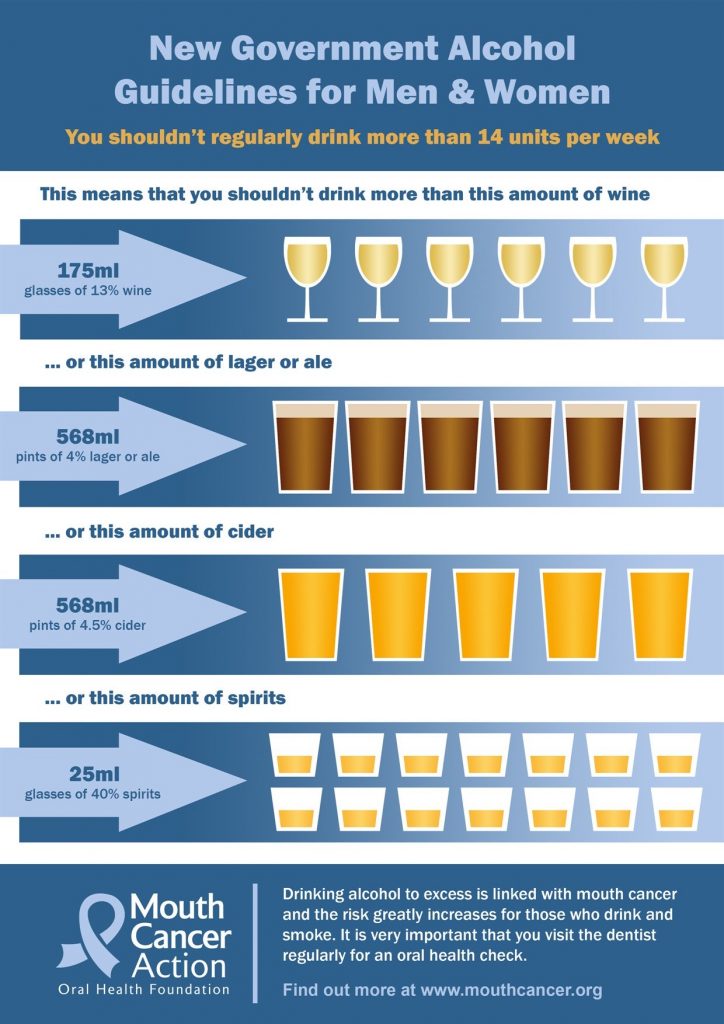
Too much alcohol can increase the chances of getting heart disease, liver cirrhosis and cancers including mouth cancer. Statistics suggest oral cancer diagnosis is six times higher in those who drink than non-drinkers. Acute alcohol consumption can also cause reduced saliva flow. Saliva is our natural defence to diseases such as tooth decay. Alcoholic drinks also tend to contain more sugar and are more acidic, which can lead to tooth decay and tooth wear.

Avoid tobacco use

Smoking can cause many of the same diseases as alcohol but also many more. Drinking alcohol and smoking combined increases risks to diseases. Chewing tobacco or smoking, alone is responsible for 80-90% of oral cancer cases. Smoking can also cause gums disease, bad breath, discoloured teeth and plaque build up.

Exercise regularly

Whatever your age, scientific evidence shows that being physically active can help you lead a healthier and even happier life. People who do regular activity have a lower risk of many diseases, such as heart disease, type 2 diabetes, stroke, and some cancers. It’s good to be active daily, and it’s recommended to do at least 2 and half hours of exercise a week. This can range from walking, cycling or more intense exercise and sports.

Keep your teeth clean

Our mouth is the gateway to our body. Healthy teeth and gums allow us to chew our food effectively thereby providing our body with the nutrients required for it to function properly. A healthy smile gives us confidence to meet and talk to people.

Our mouth contains plaque bacteria. Plaque is a major cause of gum disease and tooth decay. Recent research studies show gum disease can put us at a higher risk to general health problems such as heart disease. One theory is that gum disease allows the bacteria that inhabit our mouth to enter the bloodstream. They can then move around the body and may settle in the heart blood vessels. Research has also shown some links between gum disease and stroke, respiratory disease, head and neck cancer, kidney disease and diabetes.

Cleaning teeth effectively twice a day helps keep plaque bacterial levels low in the mouth. Brush your teeth for 2-3 minutes using a fluoride toothpaste and spit out after instead of rinsing. Clean in between your teeth using floss or interdental brushes or another suitable product. Don’t forget to gently brush your tongue. Replace your toothbrush every 3 months. We recommend Oral B .

Visit your dentist regularly for a dental check up & professional cleaning

A dental check up allows your dentist to see if you have any dental problems  you may not be aware of, such as tooth decay, gum disease, tooth wear or ulcers. Leaving problems untreated could make them more difficult to treat in the future, so it’s best to deal with problems early, or, if possible, prevent them altogether. Even when cleaning your teeth twice daily, plaque and tartar will build up in hard to reach places. Your mouth, teeth and gums are examined, the findings discussed and oral health advice given. This along with a professional cleaning to remove plaque, tartar and stains, helps to keep your mouth healthy and maintain your smile.


Online Appointment Booking Form

Name

Email address

Telephone number

Preferred appointment day & time slot ?

Tooth Decay : What is it?

posted in: Blogs | 0

Tooth Decay Signs and Symptoms

What is tooth decay?

Tooth decay is when a the surface of a tooth is damaged due to acids produced by bacteria in plaque. Plaque is a soft cream coloured coating that forms in the mouth including over teeth, gums and the tongue.

tooth decay

What are tooth decay symptoms?

This can initially be white or dark brown or black spots on the tooth. There may be an obvious hole, cavity in the tooth or the tooth may be broken. There may also be sensitivity when having hot, cold or sweet foods and drinks. Sometimes there can be pain and toothache but not always.

What causes tooth decay?

The bacteria in plaque, feed on the sugar in foods and drinks. Acids are produced, which attack the enamel outer surface of the tooth.The hard tooth surface is softened, and as the decay progresses inside the tooth, the tooth gets weaker. Over time the tooth develops a cavity or breaks.

Can tooth decay be reversed?

Yes, if it’s in its earliest stages of white spots on the outer surface of the tooth. The enamel can repair itself with fluoride applications. High concentration fluoride varnish is applied to the tooth surface by a dentist. Home care advice is given including diet advice and oral dental hygiene instructions to help avoid plaque build up. Once a hole or cavity forms, it cannot be reversed and professional treatment is required, where the dentist repairs the tooth.

What are tooth decay treatments?

Initial tooth decay can often be treated with fluoride application. If there is a cavity or if the tooth has broken, then the tooth needs to be repaired. This is usually done by placing a filling in the tooth. The dentist, is likely to take x-rays, before treatment, to help know how deep the tooth decay is. Tooth decay that is deep and close to or has reached the inside nerve part of the tooth is likely to need either vital pulp therapy or a root canal treatment. If the tooth is extensively damaged, it may need to be extracted.

How to prevent tooth decay?

Good home care can reduce a person’s risks to tooth decay. Removing plaque by effective tooth brushing twice a day using a fluoride toothpaste. An electric Oral B toothbrush will make brushing easier. Also cleaning in between teeth twice daily, using floss or interdental brushes. This along with reducing the amount and frequency of sugary foods and drinks. Regular dental check ups are essential so any tooth decay can be detected and treated accordingly.

“ We are very impressed. Very happy we have found a wonderful family dentist at last ! ”

Our modern dental clinic is conveniently located in Ealing, Greenford, and Perivale. It’s ideal for patients in and around West London and Middlesex, including Hanwell, Southall, Northolt, Wembley, Harrow, Hayes, Hounslow, Hillingdon, and beyond. With excellent public transport links and free parking, it’s easily accessible. So if you have concerns regarding tooth decay, contact us because we’re here to help. Book your consultation appointment with our experienced, friendly dentist.

Online Appointment Booking Form

Name

Email address

Telephone number

Preferred appointment day & time slot ?

Dental Health Tips for Students 

posted in: Blogs | 0

Oral Health while at University.

Knowledge for your Dental Health

Student life is a wonderful time for young people to gain knowledge and develop into responsible adults. However changes in their lifestyles while at University, can lead to poor dental health and oral health problems.

Lifestyle changes can be due to living away from home, feeling they have the independence to do what they want, or giving in to peer pressure. Knowing the risks and effects on oral health can often help avoid making bad health choices. Having the knowledge to make the right choices will help ensure a healthy smile while enjoying university.

dental health tips for students oral health

What’s bad for oral health?

Alcohol effects on oral health

Too much alcohol can increase the chances of getting heart disease, liver cirrhosis and cancers including mouth cancer. Statistics suggest oral cancer diagnosis is six times higher in those who drink than non-drinkers. Acute alcohol consumption can also cause reduced saliva flow. Saliva is our natural defence to diseases such as tooth decay. Alcoholic drinks also tend to contain more sugar and are more acidic, which can lead to tooth decay and tooth wear.

Smoking effects on oral health

Smoking can cause many of the same diseases as alcohol but also many more. Smoking and drinking combined increases risks to diseases. Smoking or chewing tobacco alone is responsible for 80-90% of oral cancer cases. Smoking can also cause gum disease, bad breath, discoloured teeth and plaque build up.

Unhealthy Diet effects on oral health

We are what we eat ! Students often eat poorly. This can be due to time pressures, stresses of study and workloads. Some may not be used to preparing and cooking meals. Eating a  healthy diet containing fresh vegetables, fruit, oily fish and pulses while avoiding processed foods high in sugar can keep energy levels high and  reduce risks to many general diseases as well as gum disease, tooth decay and tooth wear.

Inadequate Oral Hygiene effects on oral health

Students who have late nights out often forget to clean their teeth. Plaque is a major cause of gum disease and tooth decay. Recent research studies show gum disease can put us at a higher risk to general health problems such as heart disease. One theory is that gum disease allows the bacteria that inhabit our mouth to enter the bloodstream and circulate around the body allowing them to settle in the heart blood vessels.

Research has also shown some links between gum disease and stroke, respiratory disease, head and neck cancer, kidney disease and diabetes.

Dental health tips for a healthy smile

  • Visit your dentist regularly. For the majority of patients this is every 6 months.
  • Clean your teeth twice a day using a fluoride toothpaste.
  • Clean in between your teeth using floss or a suitable product.
  • Use a fluoride mouthwash daily.
  • Replace your toothbrush every 3 months.
  • Reduce the amount & frequency of sugary foods and drinks.
  • Reduce the amount and frequency of acidic foods and drinks.
  • Avoid tobacco use.
  • Avoid excessive alcohol consumption.
  • Drink plenty of water.
  • Eat a healthy balanced diet with plenty of vegetables.
  • Exercise regularly.
“ Excellent experience.  Explained everything clearly and were very attentive. Felt comfortable and confident in the treatment I was receiving. ”

At Dentael,  we’re here to help with preventing dental problems as well as helping with jaw pain, teeth grinding and teeth clenching symptoms. Our dentist has 30 years experience dedicated to providing high quality dental care for patients of all ages. She is a long standing member of the Royal College of Surgeons of England,as well as the British Dental Association. 

Our modern dental clinic is based in Ealing Perivale Greenford and is ideally located for residents, workers and students in West London and Middlesex. If you have jaw pain and need a custom mouthguard, we’re here to help. So book your dental appointment.

Experience high quality dental care in a calm environment by a compassionate professional.

Online Appointment Booking Form

Name

Email address

Telephone number

Preferred appointment day & time slot ?

Dental Emergency Care in London Ealing

posted in: Blogs | 0

Emergency Dentist in London Ealing

Emergency Dental Care Advice …

If you are looking for emergency dental care in London Ealing or nearby, during practice opening hours please call the practice in the morning and we will endeavour to see you at the earliest possible opportunity. We often have same day urgent dental appointments available for patients looking for an emergency dentist in London, Ealing or the surrounding areas.

If you can’t wait until we open again you may call NHS 111.

In cases requiring urgent treatment such as severe facial swelling or injury please contact your local Accident & Emergency Hospital Department.

Outlined below are a few helpful guides to assist you when dealing with dental emergencies when you’re looking for an emergency dentist:

Broken Tooth / Lost Filling

If you have a broken tooth or a lost filling, don’t panic! Usually these situations are only irritating to the tongue and a little sensitive. You probably don’t need to visit the emergency service. Keep the area as clean as best you can and contact the practice at your earliest convenience.

Lost Crown

If the tooth is not sensitive or unsightly, keep the crown in a safe place. Contact us at your earliest convenience. If the tooth is sensitive or unsightly then you can get some temporary crown cement from your local chemist. Please do not use any other glue based materials as this may prevent us from being able to recement the crown permanently.

Painful Wisdom Teeth

Sometimes food gets trapped beneath the piece of gum that covers over the wisdom tooth. This can cause swelling  and occasionally prevent full opening of the mouth. In such cases, the best thing to do is keep the area clean with a toothbrush and warm salt mouthrinses or Chlorohexidine Mouthwash (which can be purchased from the chemist and some supermarkets). You may also need some painkillers – any that would normally be taken for headaches are suitable. (please ensure you are not allergic to any mouthwash/medicines prior to using)

Dislodged Teeth Due To Trauma

If the problem is with a baby tooth that has been knocked out completely or pushed up into the gum, please try not to worry! Usually tender loving care, pain relieving medication and reassurance will see you through until you can get to see us. It is, however, very important that you contact us as soon as possible as this will need careful monitoring.

For adult teeth, if the tooth has been cracked or chipped but is not too painful then please do not be overly concerned. Contact us as soon as possible and we will be able to help. For any more serious accidents, please visit the A&E department of your nearest hospital. It may occasionally be possible to save teeth that have been completely knocked out – the best chance of doing this is if the tooth is stored in milk until you reach hospital.

“ An excellent service by doctor.
Feel comfortable coming back again and again.”
“ Very friendly and professional .
Explains clearly and made me less nervous. Thanks !  ”

Emergency dental care in Ealing : As your local emergency dentist in Ealing, we’re here to help you with your dental needs. Our friendly dental clinic is easily accessible to anyone living, working or studying in and around Perivale Greenford Ealing, including Hanwell, Southall, Northolt, Hounslow, Hayes, Wembley and Park Royal. Contact us so we can help.

Online Appointment Booking Form

Name

Email address

Telephone number

Preferred appointment day & time slot ?

Mouth Cancer Signs & Symptoms

posted in: Blogs | 0

Know Risk Factors for Mouth Cancer

A Guide to Mouth Cancer

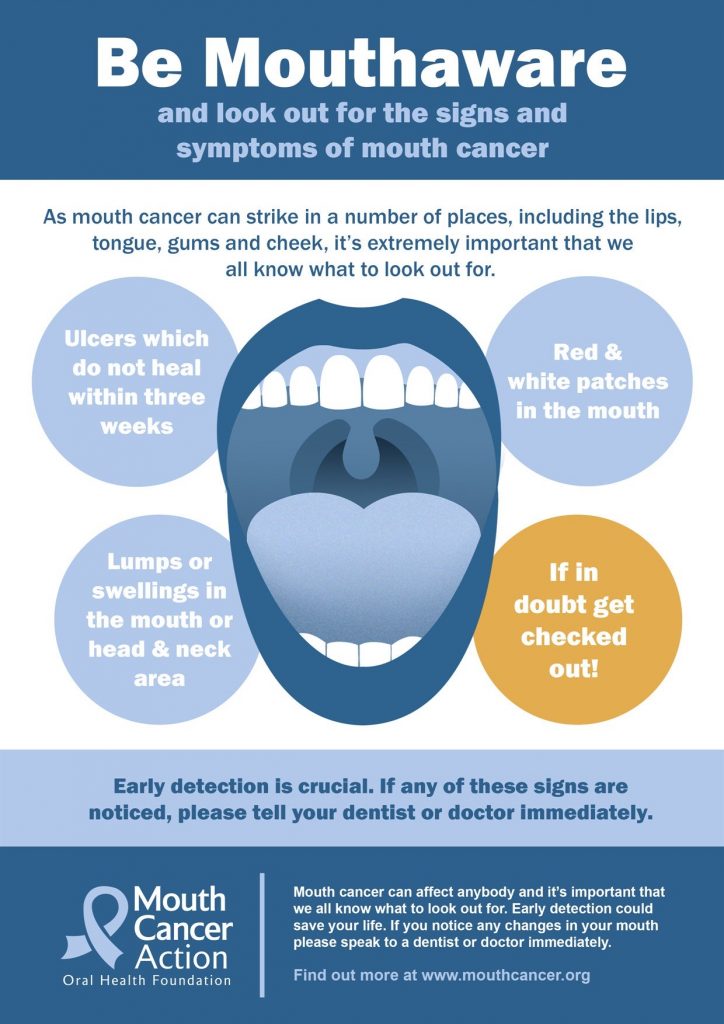
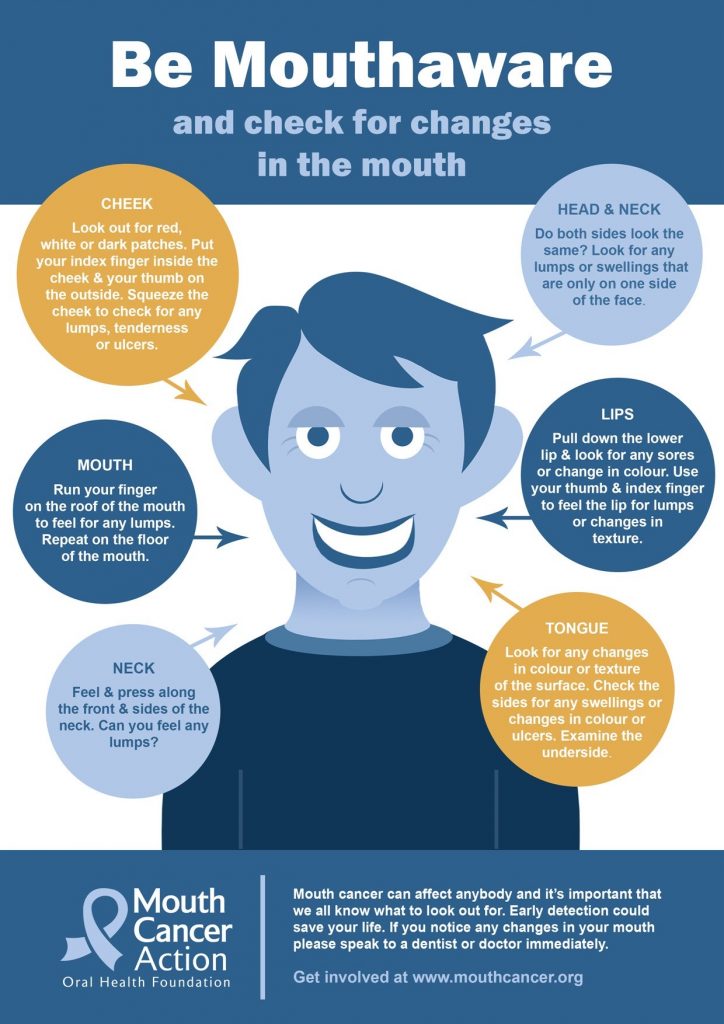
Mouth cancer screening is important, as lesions picked up and treated early have a better prognosis. Learn about how to do self check at home for mouth lesions. Reduce your risks to mouth cancer by doing simple things in your daily life, such as avoiding tobacco use and limiting alcohol consumption.