Tooth Decay Signs and Symptoms
What is tooth decay?
Tooth decay is when a the surface of a tooth is damaged due to acids produced by bacteria in plaque. Plaque is a soft cream coloured coating that forms in the mouth including over teeth, gums and the tongue.
What are tooth decay symptoms?
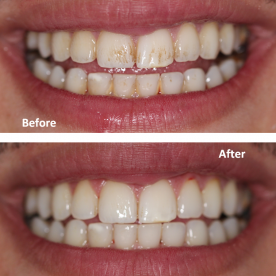
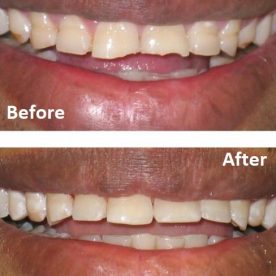
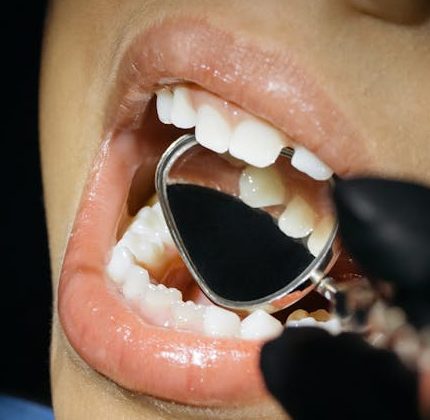
This can initially be white or dark brown or black spots on the tooth. There may be an obvious hole, cavity in the tooth or the tooth may be broken. There may also be sensitivity when having hot, cold or sweet foods and drinks. Sometimes there can be pain and toothache but not always.
What causes tooth decay?
The bacteria in plaque, feed on the sugar in foods and drinks. Acids are produced, which attack the enamel outer surface of the tooth.The hard tooth surface is softened, and as the decay progresses inside the tooth, the tooth gets weaker. Over time the tooth develops a cavity or breaks.
Can tooth decay be reversed?
Yes, if it’s in its earliest stages of white spots on the outer surface of the tooth. The enamel can repair itself with fluoride applications. High concentration fluoride varnish is applied to the tooth surface by a dentist. Home care advice is given including diet advice and oral dental hygiene instructions to help avoid plaque build up. Once a hole or cavity forms, it cannot be reversed and professional treatment is required, where the dentist repairs the tooth.
What are tooth decay treatments?
Initial tooth decay can often be treated with fluoride application. If there is a cavity or if the tooth has broken, then the tooth needs to be repaired. This is usually done by placing a filling in the tooth. The dentist, is likely to take x-rays, before treatment, to help know how deep the tooth decay is. Tooth decay that is deep and close to or has reached the inside nerve part of the tooth is likely to need either vital pulp therapy or a root canal treatment. If the tooth is extensively damaged, it may need to be extracted.
How to prevent tooth decay?
Good home care can reduce a person’s risks to tooth decay. Removing plaque by effective tooth brushing twice a day using a fluoride toothpaste. An electric Oral B toothbrush will make brushing easier. Also cleaning in between teeth twice daily, using floss or interdental brushes. This along with reducing the amount and frequency of sugary foods and drinks. Regular dental check ups are essential so any tooth decay can be detected and treated accordingly.
“ We are very impressed. Very happy we have found a wonderful family dentist at last ! ”
Our modern dental clinic is conveniently located in Ealing, Greenford, and Perivale. It’s ideal for patients in and around West London and Middlesex, including Hanwell, Southall, Northolt, Wembley, Harrow, Hayes, Hounslow, Hillingdon, and beyond. With excellent public transport links and free parking, it’s easily accessible. So if you have concerns regarding tooth decay, contact us because we’re here to help. Book your consultation appointment with our experienced, friendly dentist.