Mouth Guard for Jaw Pain & Teeth Grinding

posted in: Blogs | 0

Mouth Guard  for Bruxism

Mouth Guards for jaw pain & teeth grinding …

Jaw pain is a common problem these days. Waking up with a stiff or aching jaw may be signs of Bruxism. A person may be aware of a teeth grinding or teeth clenching habit. At Dentael, we can provide a custom mouth guard to help settle jaw pain symptoms, so you’re comfortable. Book your appointment with our experienced dentist.

mouth guard for jaw pain bruxism near me

What is Bruxism?

Bruxism, also known as parafunction, is often used to describe when a person has a habit of teeth grinding or teeth clenching. This usually occurs while sleeping. This is very common in the population with many people suffering from it at some time in their lifetime. It ‘s often worse at times of stress, such as exams, change in job or other life pressures. Significant forces can be placed on teeth during these times, putting them at risk.  

What are the symptoms of teeth grinding?

Commonly stiff jaw or aching face when waking in the morning. Many people often clench and grind their teeth unknowingly while they’re asleep. Others may be teeth grinding while awake when using the computer or watching television.  The muscles around the face ache and there is jaw pain. There may be clicking of the jaw joints when opening and closing the mouth and sometimes headaches.

What are the signs of teeth grinding?

Some patients have no pain or tenderness of their face muscles or joints, but there may be signs of chipped or worn teeth. Often patients have tense facial muscles. A clicking sound may also be heard from the jaw joint area when opening and closing the mouth. Teeth with underlying gum disease may loosen further due to the strong biting forces placed on them.

How can jaw pain be treated?

Parafunction often has multiple causes, a major one being stress. First step would be to book your appointment with our dentist so we can help to establish what is the cause of the jaw pain. We can then  help find a solution. 

Diet, relaxation, jaw exercises can often provide relief. Sometimes medication or active dental treatment is needed. 

A custom made mouth guard provided by our dentist helps reduce or eliminate  jaw pain and jaw muscle tension. It will also prevent tooth damage caused by clenching or grinding teeth. You will receive a written treatment plan which can be given to your dental insurance such as Simplyhealth for reimbursement.

More Frequently Asked Questions About Mouth Guard

Why custom made mouth guard​ is better than over the counter?

Custom made mouth guards fit better than a boil and bite mouth guard. Therefore providing better protection for the teeth and are more comfortable.

How to mould mouth guard​?

The dentist places a jelly like material into the mouth. This sets around the teeth. It takes an impression  of the teeth. The model produced is used to construct a close fitting custom mouth guard.

How to clean mouth guard​?

Custom mouthguards should be cleaned before and after every use. A toothbrush should be used. It is brushed using cold or warm water and a detergent such as fairy liquid. DO NOT use hot water.

“ Very relaxed, not anxious.
Excellent Service. ”

At Dentael,  we’re here to help with preventing dental problems as well as helping with jaw pain, teeth grinding and teeth clenching symptoms. Our dentist has 30 years experience dedicated to providing high quality dental care for patients of all ages. She is a long standing member of the Royal College of Surgeons of England,as well as the British Dental Association. 

Our modern dental clinic is based in Ealing Perivale Greenford and is ideally located for residents, workers and students in West London and Middlesex. If you have jaw pain and need a custom mouthguard, we’re here to help. So book your dental appointment.

Experience high quality dental care in a calm environment by a compassionate professional.

Online Appointment Booking Form

Name

Email address

Telephone number

Preferred appointment day & time slot ?

Dental Bridge to Replace Missing Tooth

posted in: Blogs | 0

Replace missing tooth with dental bridge

Dental Bridge vs Implant

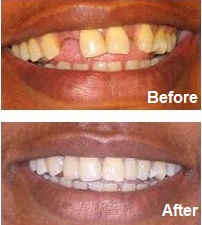
A Dental Bridge is an affordable alternative to more expensive, invasive and time consuming treatments such as a Dental Implant. At Dentael, we offer Modern Adhesive Dentistry. If a loose natural tooth has come out or is extracted, it may be possible to use it to fill the gap.

A dental bridge is a conservative treatment choice and an affordable option to replace a missing tooth. The natural tooth that has come out is shaped to fit in the gap. It is then bonded to the adjacent tooth.

Tooth replacement by a dental bridge

“ Very professional and caring service.
 High standard and clean environment. ”

What are other types of Dental Bridges?

An adhesive bridge is a common dental bridge made when the natural tooth that has come out can not be used. An adhesive bridge is a false tooth that is fixed to the neighbouring natural tooth, to fill the gap of the missing tooth. The false tooth is usually made of porcelain bonded to metal. There is a metal wing that is bonded to the inside of the natural tooth. Adhesive bridges are also known as resin-bonded bridges or Maryland bridges. They are conservative and a minimally invasive treatment option to replace a missing tooth.

Before and After Photos of a Dental Bridge Front Teeth

Cantilever Bridge Dental​

How long does a Dental Bridge last?

They can last a few years depending on how well they are looked after. The better they are looked after, the longer they will last. Sometimes they last well over 5 years.

What’s the difference – Tooth Implant vs Dental Bridge ?

A dental implant requires invasive surgery. It also is time consuming and can take months to up to a year to complete treatment. Dental implants are known to be expensive, with average prices ranging between £2000 and £2500. Hence a dental implant is far more costly than a dental bridge.

A dental adhesive bridge does not involve invasive surgery. It is conservative and also does not involve extensive drilling of the tooth like conventional bridges. Treatment is completed within a matter of weeks or sometimes the same day, and at a lot lower price. Therefore a dental bridge is a much more affordable, simpler and quicker option to replace a missing tooth than a dental implant.

How much does a Dental Bridge cost?

For the majority of patients the price for a dental bridge is between £650 to £750.

“ Excellent experience.  Explained everything clearly and were very attentive. Felt comfortable and confident in the treatment I was receiving. ”

At Dentael, we aim to put you at ease so you can relax during your dental visit. As a long standing member of Royal College of Surgeons of England. our dentist has years of experience with a friendly approach. Our modern dental clinic has excellent transport links. So it is conveniently located for residents, workers and students in the West London and Middlesex areas. Including Ealing, Greenford, Perivale, Hanwell, Northolt, Acton, Harrow, Wembley, Southall, Ruislip, Chiswick, Hounslow, Hillingdon, and beyond.

Whatever your dental concerns, we’re here to help you find solutions. For modern dentistry in a calm atmosphere, book your appointment. Call today or send an online request.

It’s all about you & your Smile

Online Appointment Booking Form

Name

Email address

Telephone number

Preferred appointment day & time slot ?

Root Canal Treatment : A Guide

posted in: Blogs | 0

Root Canal Treatment vs Extraction

What is Root Canal Treatment?

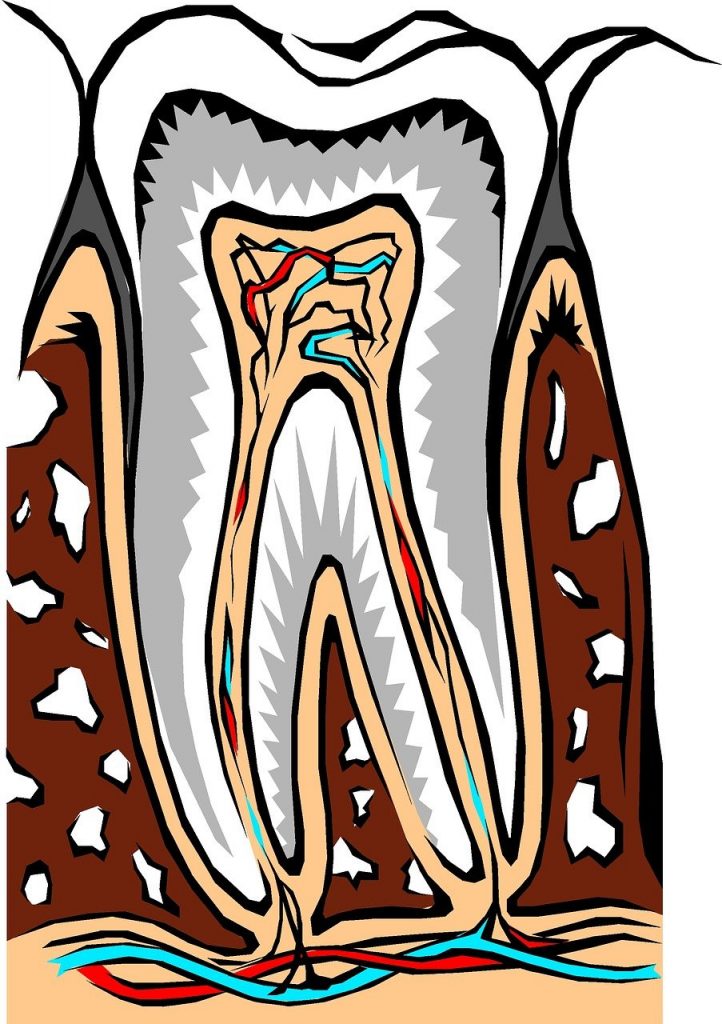
Root canal treatment is a dental procedure where the inside of a damaged tooth is cleaned out with an aim to try and save it. If a tooth’s nerve chamber, also known as the pulp, is damaged because of tooth decay or injury, then root canal treatment is often the only way to save it. If the pulp chamber damage is limited, then vital pulp therapy may be an option instead of root canal treatment, however this is for specific situations.

When a root canal treatment is the only treatment option to try and save the tooth, the alternative is an extraction. A dental extraction is when the tooth is removed from the mouth. A space is left where the missing tooth used to sit.

Saving the natural tooth is almost always better than having an extraction, as it prevents other teeth from shifting into the space where the tooth was. It also maintains chewing function. If it’s a front tooth, it will also maintain appearance and the smile.

root canal treatment dentist near

What is vital pulp therapy?

Vital Pulp Therapy is a modern technique to avoid the costly and complex dental procedure of Root Canal Treatment. Vital Pulp Therapy takes less time and costs a lot less than Root Canal Treatment.

Why do I need a root canal treatment?

If the pulp inside your tooth is infected, inflamed, or dead, this can lead to pain or infection. Sometimes there is no pain. Usual causes of tooth damage are deep tooth decay, cracks, or injury.

What happens if I don’t get one?

The infection can spread, leading to a dental abscess This can be a swelling in the mouth or on the face. The tooth will likely need to be extracted.

Does a root canal treatment hurt?

Generally, no. A local anaesthetic is given in the mouth. Any discomfort is usually similar to when having a filling.

How long is the recovery after root canal treatment?

You may experience some discomfort for a few days following treatment. This can often be managed with over-the-counter pain medication.

Root Canal Treatment is an intricate procedure and although with the latest techniques, success rates are high, like any procedure involving biological tissue, it may not be successful. If there are residual ongoing problems or symptoms after completion of root canal treatment, then the tooth will require extraction.

What should I avoid after root canal treatment?

Avoid chewing or biting with the treated tooth until a permanent filling or crown is placed, and avoid extreme temperatures.

Do I need a crown after? 

Often, yes. A root canal makes a tooth more brittle and is at risk of breaking. To strengthen the tooth and reduce the risk of it breaking, a crown is advisable. If the tooth is very broken down, sometimes a post may need to be placed in the root, following the root filling, in order to help build up the tooth, prior to placing the crown.

“ Very helpful, polite. Couldn’t do enough to ensure I was comfortable during procedure. Clear in explanation of what would happen. I felt very prepared. Thank You ! ”

At Dentael, we aim to put you at ease so you can relax during your dental treatment. Whatever your dental concerns, we’re here to help you find solutions. As a long standing member of Royal College of Surgeons of England. our dentist has years of experience and has a friendly approach. We offer root canal treatment in Ealing and surrounding areas as part of our range of modern dental treatments. 

Our modern dental clinic is conveniently located for residents, workers and students in the West London and Middlesex areas of Ealing, Greenford, Perivale, Hanwell, Northolt, Acton, Harrow, Wembley, Southall, Ruislip, Chiswick, Hounslow, Hillingdon, and beyond. For modern dentistry in a calm atmosphere, book your appointment. 

It’s all about you & your Smile

Online Appointment Booking Form

Name

Email address

Telephone number

Preferred appointment day & time slot ?

Tooth Erosion Causes & Treatments

posted in: Blogs | 0

Tooth Erosion and Enamel Tooth Wear

What is tooth erosion?

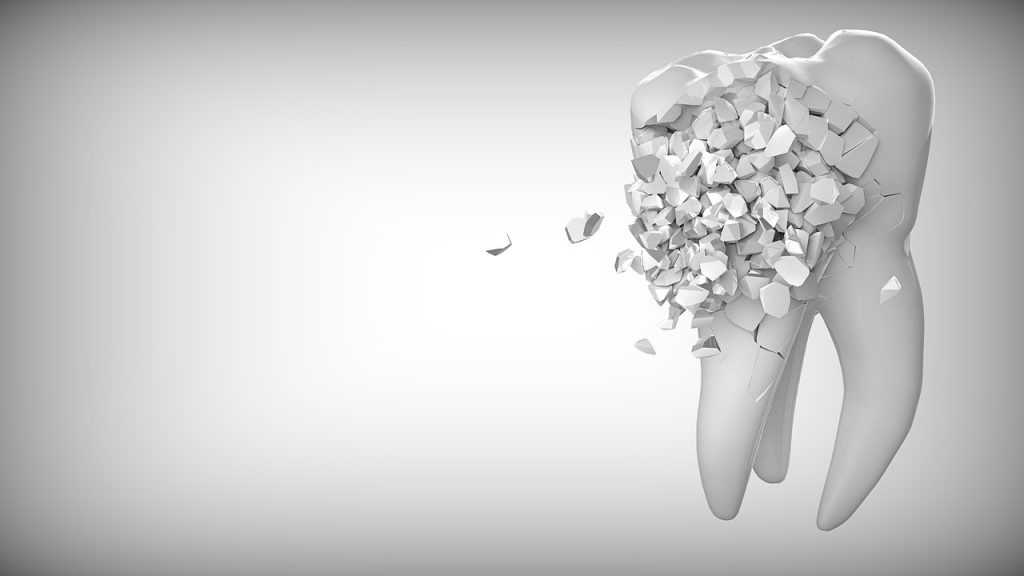
Tooth erosion is the permanent loss of the outer layer of teeth. The hard protective outer enamel layer is dissolved by chemical reaction with acids rather than plaque bacteria. Once the enamel has dissolved away, the inner softer dentine layer begins to dissolve at a quicker rate.

tooth erosion

What are the symptoms of tooth erosion?

As the enamel wears away, the teeth appear yellower because of the underlying dentine. The teeth can appear shiny with rounded edges. The front teeth can appear see through with transparent edges. The biting edges can be chipped and uneven. There can also be small hollowed out pits on the tooth surface, often on back molar and premolar teeth. Fillings in back teeth can often appear higher than the surrounding tooth structure.

As the enamel layer thins, teeth can become sensitive to hot and cold drinks and foods. Teeth sensitivity is usually short sharp pain lasting seconds.

What are tooth erosion causes?

The most common cause is acids in the diet. Fizzy drinks, carbonated water, lemon water, fruit juices, smoothies, and alcohol can all cause tooth erosion. Acidic foods such as citrus, oranges and lemons, vinegar coated salads can cause tooth erosion too.

Acid from the stomach is also a cause of tooth erosion. Conditions such as gastric reflux, frequent vomiting or eating disorders bring up acid from the stomach causing tooth erosion.

What are the treatments of tooth erosion?

Once enamel has been lost it does not grow back. Fluoride treatments by the dentist can help strengthen the remaining enamel. Uneven surfaces can be repaired using dental composite bonding. a modern conservative technique of repairing a tooth without drilling the tooth. Teeth severely damaged may need veneers or crowns. However veneers and crowns are more costly than dental composite bonding and also require drilling of the tooth.

How to prevent tooth erosion?

Good dietary habits by avoiding acidic foods and drinks is a simple way of avoiding tooth erosion, particularly at night. Consuming any acidic drinks using a wide bore straw will help reduce there exposure to the teeth, helping to prevent tooth erosion.

Wait at least 30–60 minutes after consuming dietary acidic drinks and foods or vomiting, to brush your teeth. Acids soften the enamel, making it more vulnerable to tooth erosion. Brushing it during this weakened stage will wash away the minerals sitting on the tooth surface.

Use a fluoride mouthwash immediately after acid exposure, to neutralise acids. The fluoride will also help to protect the teeth and strengthen enamel. Otherwise rinse with water to neutralise the acids.

Chew sugar-free gum after meals, to promote saliva flow that will help neutralise the acids.

Tooth erosion vs Tooth decay?

Unlike tooth decay, which is caused by sugary bacteria, erosion is entirely acid-driven. Diet fizzy drinks may ave no sugar but they are still acidic. Therefore, whilst they are less likely to cause tooth decay, they will still damage teeth by erosion.

“ Very helpful, professional and considerate of the task that has already given me a lot more confidence in my smile. ”

At Dentael,  we’re here to help with treating dental problems, including tooth erosion, tooth decay, jaw problems and more. Our dentist has 30 years experience dedicated to providing high quality dental care for patients of all ages. She is a long standing member of the Royal College of Surgeons of England,as well as the British Dental Association. 

Our modern dental clinic is based in Ealing Perivale Greenford and is ideally located for residents, workers and students in West London and Middlesex. Easy to get to from Hanwell, Northolt, Southall, Wembley, Harrow, Hayes, Hounslow and surrounding areas, with street free parking. If you have concerns about your teeth, or maybe you’re unaware you have tooth erosion, we’re here to help. So book your dental appointment.

Experience high quality dental care in a calm environment by a compassionate professional.

Online Appointment Booking Form

Name

Email address

Telephone number

Preferred appointment day & time slot ?

Why Regular Dental Check-Ups Matter 

posted in: Blogs | 0

Preventing Tooth Decay and Gum Disease

Dental check ups for you and your family …

A dental check up allows the dentist to see if you have any dental problems you may not be aware of, such as tooth decay, gum disease, tooth wear or ulcers.

Leaving problems untreated could make them more difficult to treat in the future, so it’s best to deal with problems early, or, if possible, prevent them altogether. Therefore regular dental check ups are important because they help keep your teeth and gums healthy.

Dental check up appointments for new patients are available with our experienced, friendly dentist. With her welcoming, calm manner she can put you at ease even if you’re nervous about visiting a dentist.

dentist dental check up

Examining for tooth decay …

Tooth decay can begin and progress without a person knowing. 

Tooth decay that is noticed early may only need prevention treatments and it may be possible to avoid fillings. The longer tooth decay progresses the more likely that complex treatment would be required or the tooth may have to be taken out.

At dental check ups, the dentist can use the dental mirror and dental instruments to see if there are any signs of tooth decay or cavities. They can also take x-rays, which can show tooth decay that is not visible just by looking. 

Examining for gum disease …

Many people also do not know that they have gum disease. Even when cleaning your teeth twice daily, plaque and tartar will build up. Plaque is the film layer of bacteria that covers teeth and gums. When left, it becomes hard tartar that can not be brushed off. If gum disease is not controlled, then teeth can loosen and come out over time. 

At dental check ups, the dentist checks for signs of gum disease. They will look out for a number of signs including presence of plaque, tartar and  inflammation. If picked up early, gum disease can be controlled and treated, helping to prevent teeth being lost.

Examining for tooth wear …

Tooth wear is becoming more and more common these days. Again many people are unaware that they have tooth wear, until it’s at the stage that it requires dental treatments to repair the damaged teeth. During dental check ups, tooth wear is assessed so prevention homecare advice can be given early. This can avoid further tooth damage where teeth will need to be repaired.

Examining for soft tissue lesions … 

The dental check up also involves checking the flesh of the mouth, for anything suspicious such as ulcers or signs of cancer.

After the dental check up …

Having examined your mouth, teeth and gums, the findings are discussed with you and professional oral health advice given. So you can take control of your oral health. 

This along with a professional cleaning to remove plaque, tartar and stains, helps to keep your mouth healthy and maintain your smile. 

So book your dental check up & professional cleaning appointment so we may help you with your smile.

“ Great customer service and professional. I would recommend it because the dentist goes the extra mile and gives options and advice in relation to your concern. ”

More professional advice …

Keep your teeth clean

Our mouth is the gateway to our body. Healthy teeth and gums allow us to chew our food effectively thereby providing our body with the nutrients required for it to function properly. A healthy smile gives us confidence to meet and talk to people.

Plaque bacteria sit in our mouth. Plaque is a major cause of gum disease and tooth decay. Recent research studies show gum disease can put us at a higher risk to general health problems such as heart disease. One theory is that gum disease allows the bacteria that inhabit our mouth to enter the bloodstream and circulate around the body allowing them to settle in the heart blood vessels. Research has also shown some links between gum disease and stroke, respiratory disease, head and neck cancer, kidney disease and diabetes.

Cleaning teeth effectively twice a day helps keep plaque bacterial levels low in the mouth. Brush your teeth for 2-3 minutes using a fluoride toothpaste and spit out after instead of rinsing. Clean in between your teeth using floss or interdental brushes or another suitable product. Don’t forget to gently brush your tongue. Replace your toothbrush every 3 months. Everyone’s mouth is different and certain products will be more suitable for certain people. At dentael we provide bespoke patient advice on what products are specifically suitable for your mouth.

Limit the amount of sugary & acidic foods & drinks

Sugar produces acids that causes tooth decay as well as causing obesity which can lead to other diseases such as diabetes, heart disease and some cancers. Consuming sugar more frequently means your teeth are exposed to the plaque acids for longer putting them at a higher risk of tooth decay. If having chocolates, try to go for dark chocolate with high cocoa content as it can be less damaging to teeth. Diet sugar drinks may help to avoid the decay factor but they erode enamel tooth surface, causing tooth wear.

Drink plenty of water

About 70 % of the human body is comprised of water. Keeping hydrated has a huge impact on our overall health as our cells and organs require water to function properly. Some of the benefits of good hydration are that it helps with brain function and mood levels, and may prevent and treat headaches. Drinking plenty of water also aids digestion and removal of toxins, as well as maintaining good skin condition. It is recommended we drink about 2-3 litres of water a day.

Eat a healthy balanced diet

A balanced diet is a way of eating all of the right nutrients that our body needs in order to be healthy. Everyone’s bodies are different and often individuals require a different amount and type of nutrients. Vitamins and minerals in the diet are vital to boost immunity and healthy development, A healthy diet can protect the human body against certain types of diseases, such as obesity, diabetes, heart diseases, bone conditions and some types of cancer. It is recommended vegetables and fruit makes up just over a third of our daily diet. The rest should be made up of proteins ( such as pulses, eggs, fish, poultry, meat, low fat milk and yoghurt) and carbohydrates (such as wholemeal/wholegrain rice, pasta, breads) along with small amounts of unsaturated fats.

Reduce alcohol consumption

Too much alcohol can increase the chances of getting heart disease, liver cirrhosis and cancers including mouth cancer. Statistics suggest oral cancer diagnosis is six times higher in those who drink than non-drinkers. Acute alcohol consumption can also cause reduced saliva flow. Saliva is our natural defence to diseases such as tooth decay. Alcoholic drinks also tend to contain more sugar and are more acidic, which can lead to tooth decay and tooth wear.

Avoid tobacco use

Smoking can cause many of the same diseases as alcohol but also many more. Smoking and drinking combined increases risks to diseases. Smoking or chewing tobacco, alone is responsible for 80-90% of oral cancer cases. Smoking can also cause gums disease, bad breath, discoloured teeth and plaque build up.

Exercise regularly

Whatever your age, scientific evidence shows that being physically active can help you lead a healthier and even happier life. People who do regular activity have a lower risk of many diseases, such as heart disease, type 2 diabetes, stroke, and some cancers. It’s good to be active daily, and it’s recommended to do at least 2 and half hours of exercise a week. This can range from walking, cycling or more intense exercise and sports.

We offer dental check up appointments for new patients. Based in Ealing Greenford Perivale, our modern dental clinic is easily accessible to residents, workers and students in West London and Middlesex. all patients receive a written treatment plan with prices so they may provide for dental insurance such as Simplyhealth. Experience exceptional dental care in a calm environment. Book your appointment.

Online Appointment Booking Form

Name

Email address

Telephone number

Preferred appointment day & time slot ?

Sensitive Teeth: Causes, Symptoms & Relief

posted in: Blogs | 0

A Guide to Sensitive Teeth

Are your teeth sensitive to hot, cold or sweet ?

What causes sensitive teeth?

Teeth may be sensitive for a number of different reasons. Sensitive teeth are often because of dentine exposure. Dentine is the layer of tooth structure under the outer enamel layer. It has channels that go to the inner nerve part of the tooth.

As your local dentist we’re here to help. So if you have sensitive teeth, book your appointment with our experienced dentist.

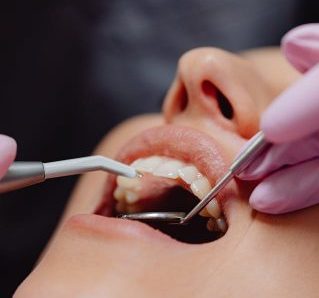
sensitve teeth drinking hot tea

Factors that can contribute to sensitive teeth …

  • Tooth decay : This is a common cause of pain on hot, cold or sweet. The tooth can often be repaired by placing a filling so that the sensitivity settles.
  • Tooth wear : When the tooth is damaged because the enamel or dentine surface is worn away.
  • Brushing too hard or using a toothbrush with hard bristles will lead to gum recession and/or tooth wear.
  • Acidic foods and drinks : These can cause erosion and therefore damage to the tooth surface.
  • Teeth grinding : this can lead to the tooth surface wearing away.
  • Gum disease : when the gums pull away from the teeth or when the gums shrink because of recession.
  • A cracked tooth or filling : A crack can run from the outer surface of the tooth towards the root and the inner part of the tooth.
  • Age :  Gums can naturally recede over time.
  • Teeth whitening : Some patients have sensitivity for a short time after teeth whitening.

Tips to help prevent sensitivity …

  • Visit our dentist to establish the cause of your sensitivity, so it is treated appropriately,
  • Brush your teeth twice a day effectively using the correct toothbrush. Oral B is recommended.
  • Clean in between your teeth using floss or interdental brushes to help prevent gum disease.
  • Avoid acidic foods and drinks.
  • Avoid stress because this can lead to a teeth grinding habit.
  • If sensitivity is due to exposed dentine, use a sensitive toothpaste so it may help. We let you know if this is suitable for you.
  • Our dentist may apply de-sensitising paste on your teeth over a number of visits
  • You may require a white filling to cover the exposed dentine. This is often a simple procedure.

More Frequently Asked Questions About Sensitive Teeth … 

How to stop sensitive teeth pain immediately​?

Apply a reputable brand specifically for sensitive teeth, such as sensodyne or colgate prorelief. The tooth paste is applied directly on the teeth with a clean finger and left.

What is the best toothpaste for sensitive teeth​?

Any reputable branded toothpaste specific for sensitive teeth such as sensodyne, oral b or colgate.

Which mouthwash for sensitive teeth?​

A reputable branded mouthwash containing fluoride. 

Why is there sensitive teeth after whitening?​

As the whitening gel works it can make the teeth sensitive.

What to do about teeth whitening and sensitivity​?

Sometimes the teeth are sensitive for the first 1 to 2 days of starting teeth whitening. This usually settles.  A quality whitening brand such as Philips Zoom incorporates desensitising ingredients in the whitening gel which often avoids any sensitivity.

What to do if teeth sensitive after cleaning?​

Professional teeth cleaning removes the tartar and plaque on the teeth leaving the surface clean. The exposed clean tooth surface can initially be sensitive after dental hygiene. This usually settles in a few days. Applying a sensitive toothpaste can help give relief.

“ Excellent service and very informative, helpful staff. ”

Our modern dental clinic has excellent transport links. Located just off the A40 Western Avenue, in Perivale Greenford Ealing, with free street parking. We welcome residents, workers and students in the West London and Middlesex areas including Hanwell, Northolt, Wembley, Southall, Acton, Harrow, Chiswick, Hounslow, Hillingdon, and beyond.

Book your new patient dentist appointment so we can help you with your sensitive teeth.

Online Appointment Booking Form
Name

Email address

Telephone number

Preferred appointment day & time slot ?

Worn Teeth Treatments

posted in: Blogs | 0

Worn Teeth and Tooth Erosion

Are your teeth worn ?

A large portion of the population have some degree of tooth wear yet they are unaware of it. Once teeth have become worn, the damage can continue if untreated.

worn teeth

How do I know if I have tooth wear ?

Often there are obvious signs of worn teeth, such as chipped teeth and changes in the tooth shape. Teeth can also appear yellower or darker in colour. There may be sensitivity to hot, cold or sweet. However sometimes the signs are not so obvious. These can be translucency or thinning of the edge of the front teeth, small dips in the biting surface of back teeth, or notches on the teeth near the gum line. Any of these signs indicate the protective outer enamel layer of the teeth has been damaged. Once the enamel has worn away it does not grow back.

What causes tooth wear ?

There are 3 main types of tooth wear – Erosion, Abrasion and Attrition. The outer hard enamel layer is worn away, and can lead to exposure of the inner softer dentine layer.

Erosion, sometimes known as Acid Wear, is commonly caused by acidic foods or drinks we consume in our diets, that dissolve away the tooth structure. A snacking culture along with demand for fresh fruit and juices/smoothies may have contributed to the increase in erosive tooth wear in recent times. In certain patients, acid reflux may also be a cause.

Abrasion is caused by an object rubbed against the tooth surface, such as a toothbrush when brushing too hard, or an abrasive toothpaste.

Attrition occurs where teeth rub against each other such as a habit of grinding or clenching teeth.

How can I protect my teeth from the effects of tooth wear ?

During your dental check up with us, we check for tooth wear and advise accordingly. Treatments may vary from a prevention approach to protect damaged teeth from further damage. Once the outer enamel layer has worn away the inner dentine layer wears away at a quicker rate because it’s softer than the enamel.

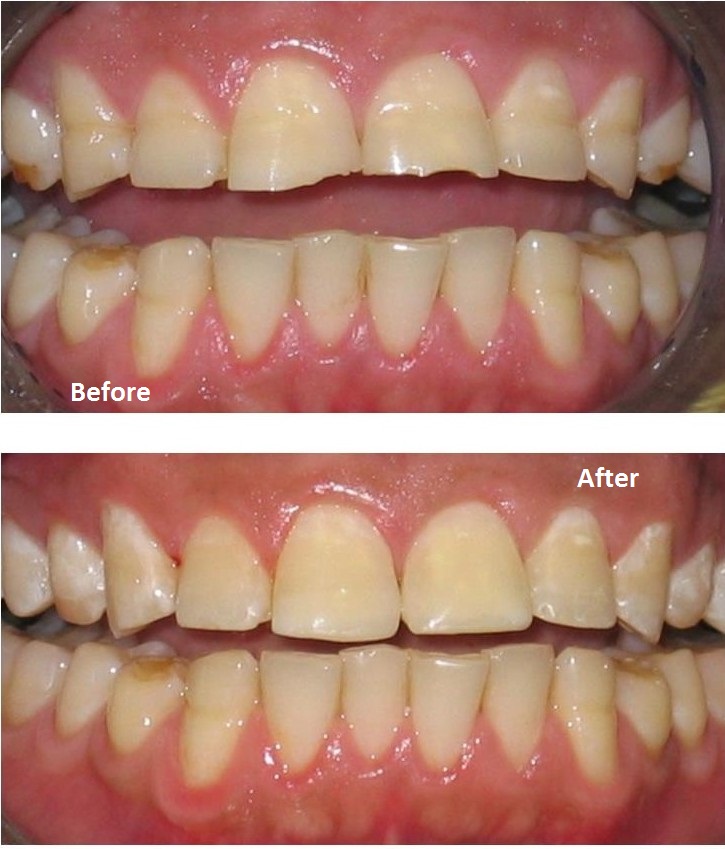
Worn teeth can often be repaired with modern adhesive dentistry using composite dental bonding. A comfortable and conservative treatment option which allows placement of a protective covering whilst avoiding drilling the tooth. The composite bonds to the underlying tooth structure. With composite dental bonding starting from £110 per tooth, it’s a cost effective way to protect teeth from further damage as well as improving your smile.

Custom made mouthguards are another affordable treatment option for protecting teeth from tooth wear. They are useful in situations where teeth have been worn due to a habit of grinding or clenching teeth, often known as Bruxism. At dentael, we provide custom made mouthguards at the affordable price from £120.

Before and after images of dental composite bonding to repair worn teeth

composite bonding ealing
Repair worn teeth
“ Fantastic experience, ensuring a quality job has been undertaken whilst also always making sure my comfort.
Excellent job ! ”

Homecare Tips to reduce your risks of having worn teeth and tooth erosion …

  1. Avoid acidic foods and drinks. If you are having them, try to limit the amount and frequency of them. Try to keep them to meal times.
  2. Avoid swishing fizzy drinks/ juices / smoothies inside your mouth.
  3. Avoid brushing your teeth after having acidic food or drink as the enamel is softer at this time.
  4. Brush your teeth using a soft/medium bristled toothbrush twice a day. Do not put too much pressure when brushing and avoid using an abrasive toothpaste.
  5. Use a daily fluoride alcohol-free mouthwash.
  6. Have regular dental checkups to keep your teeth healthy and looking good.

At Dentael, we aim to put you at ease so you can relax during your dental treatment. With years of professional experience, our dentist is a long standing member of the Royal College of Surgeons of England.. If you have worn teeth, we help find solutions.

Excellent transport links and street free parking. So convenient for Ealing Greenford Perivale and the surrounding areas of Hanwell, Northolt, Southall, Wembley, Hounslow, Harrow, Hayes and beyond. Book your appointment and let us help you.

It’s all about you & your Smile

Online Appointment Booking Form

Name

Email address

Telephone number

Preferred appointment day & time slot ?

Why Preventive Dental Care Matters

posted in: Blogs | 0

Dental Check Ups and Hygiene Visits

How to avoid tooth decay and gum disease …

teeth cleaning near me ealing, dental dental clinic

What is tooth decay?

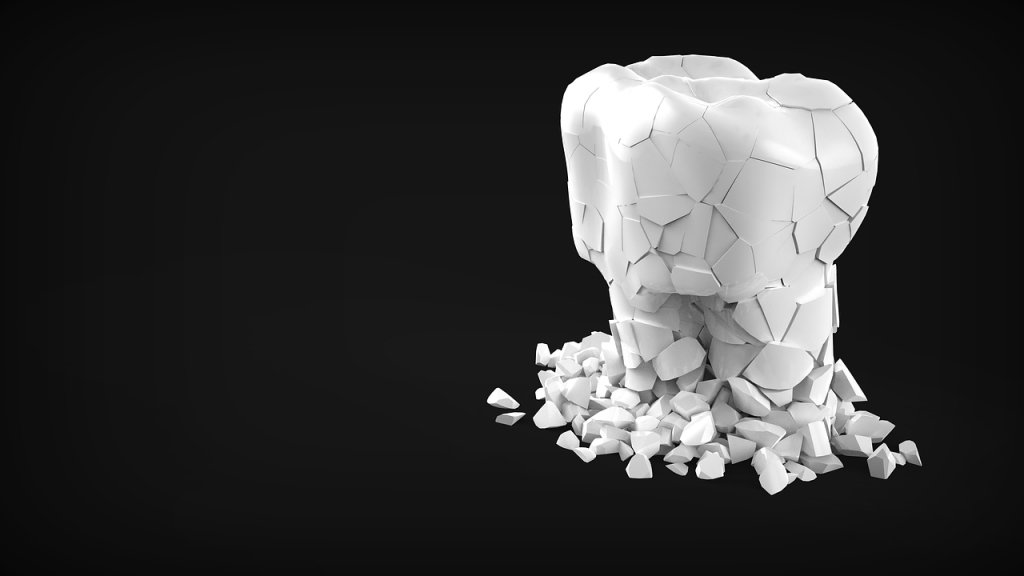
Tooth decay happens when acids wear away the hard enamel outer surface layer. These acids are formed by bacteria in plaque, that feed on sugar from foods and drinks. Plaque is the film that sticks to teeth. 

Over time tooth decay can cause holes in the teeth, known as cavities. If untreated, cavities can get bigger and may destroy the tooth.

What is gum disease?

Gums are the soft flesh around the tooth. Gum disease is inflammation or infection of the gums. It’s caused by bacteria in the plaque sitting on teeth and gums. The bacteria produce toxins and acids that affect the gums. Gums can become red, puffy or bleed.

Over time gum disease can cause gums to come away from the tooth. These pockets can contain plaque and tartar and can worsen. The bone around the teeth can be destroyed, making teeth loose. Untreated gum disease can lead to tooth loss.

Why have a regular dental check up?

Tooth decay can begin and progress without a person knowing. Sometimes it’s too late and the tooth needs to be extracted because it cannot be repaired. At a dental check up, the dentist can see if there are any signs of tooth decay or cavities. By taking x-rays, they can see if there is tooth decay that is not visible just by looking. Tooth decay that is noticed early may only need prevention treatments and it may be possible to avoid fillings. The longer tooth decay progresses the more likely that complex treatment would be required or the tooth may have to be taken out.

Many people also do not know that they have gum disease. At a dental check up, the dentist checks for signs of gum disease. If picked up early, gum disease can be controlled, helping to prevent teeth being lost.

Why have regular dental hygiene?

Professional teeth cleanings remove plaque and tartar. This reduces the chance of getting tooth decay and gum disease.

10 Dental Health & Wellbeing Homecare Tips

1.  Visit your dentist regularly, as often as recommended.

2.  Clean your teeth twice a day using a fluoride toothpaste.

3.  Replace your toothbrush every 3 months.

4.  Clean in between your teeth using floss or a suitable product.

5.  Reduce the amount & frequency of sugar & acidic foods/drinks.

6.  Avoid tobacco use.

7.  Avoid excessive alcohol consumption.

8.  Drink plenty of water.

9.  Eat a healthy balanced diet.

10. Exercise regularly.

10 Reasons why regular dental check ups help

1. Keep your teeth for longer

2. Have a cleaner, whiter smile

3. Avoid bad breath

4. Child’s overall development

5. General health with diabetes & cardiovascular problems

6. Prevent problems from developing

7. Spot problems early so treatment is simpler

8. Simpler treatment saves money

9. Receive prevention advice specific to you

10. Maintain your smile to improve your confidence

At Dentael,  we’re here to help with preventing dental problems as well as helping with jaw pain, teeth grinding and teeth clenching symptoms. Our dentist has 30 years experience dedicated to providing high quality dental care for patients of all ages. She is a long standing member of the Royal College of Surgeons of England,as well as the British Dental Association. 

Our modern dental clinic is based in Ealing Perivale Greenford and is ideally located for residents, workers and students in West London and Middlesex. If you have jaw pain and need a custom mouthguard, we’re here to help. So book your dental appointment.

Experience high quality dental care in a calm environment by a compassionate professional.

Online Appointment Booking Form
Name

Email address

Telephone number

Preferred appointment day & time slot ?

Composite Bonding in Ealing Explained

posted in: Blogs | 0

Composite Bonding Ealing Greenford

Repair teeth & improve smiles with Composite Bonding …

Composite Bonding, white tooth coloured restorations are a great way to improve smiles whilst avoiding drilling and cutting teeth. A modern technique used in cosmetic dentistry to enhance a natural smile. It can be used to repair worn, chipped or decayed teeth, as well as closing gaps between teeth or altering the shape of teeth. It is also a more affordable alternative than more costly crowns and veneers.

If you are looking for dental composite bonding in and around Ealing Greenford Perivale, we’re here to help. So book your appointment.

couple smiling with nice teeth composite bonding ealing
Benefits of Composite Bonding …
  • Avoid drilling and cutting teeth
  • Natural colour appearance
  • Helps support and strengthen the remaining tooth.
  • Cost less than Crowns and Veneers
  • Usually same day results
  • Affordable

 Why choose Us for Composite Bonding …

Modern Adhesive Dentistry

Professional Experience

Digital Technology

Comfort & compassion

Clear communication

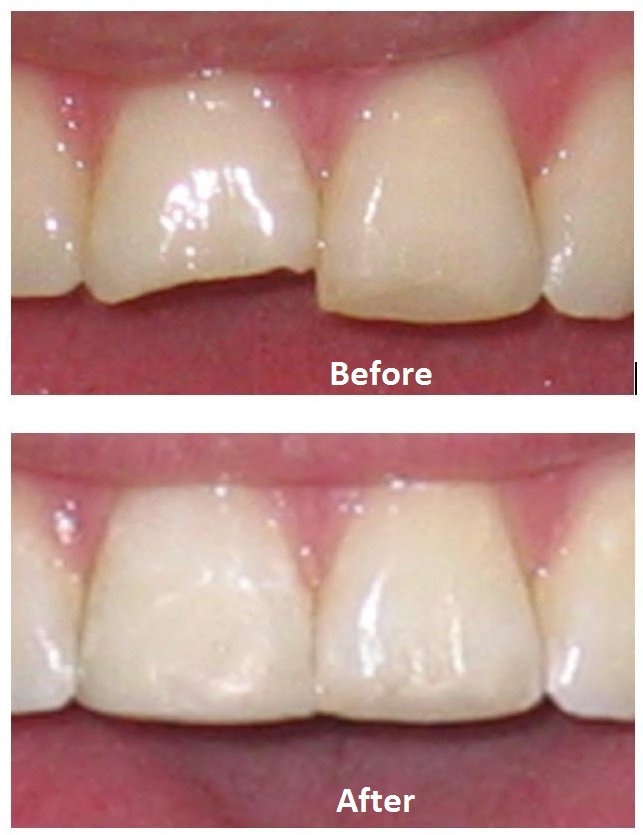
Before and After images of Composite Bonding

composite bonding ealing
Repair chipped front tooth with composite bonding greenford
composite dental bonding greenford
dental bonding ealing
“ Very helpful, polite. Couldn’t do enough to ensure I was comfortable during procedure. Clear in explanation of what would happen. I felt very prepared. Thank You ! ”

Uses of Composite Bonding …

Repairing a tooth that has broken due to tooth decay or biting into something hard.

Repairing front teeth that have chipped edges. A teeth grinding habit or erosive foods and drinks can cause the enamel to wear away.  

Improve the smile by closing unsightly gaps between front teeth

Improving the shape of a front tooth that appears smaller or not in align of the adjacent teeth.

Repairing decayed, chipped or broken teeth with Composite Bonding …

Composite bonding is a great way to repair damaged teeth whilst avoiding drilling and cutting teeth. It’s also a  more affordable alternative than more costly crowns and veneers.

Improving Smiles with Composite Bonding …

If you have unsightly gaps between your teeth, or a tooth that looks smaller than the other teeth, consider Composite Bonding. Often a better solution than cutting your teeth up for Veneers. It’s always best to avoid drilling and cutting teeth because this can lead to nerve damage.

Composite Bonding is a great alternative with same day results. So you’re walking out with your new smile at a lot lower cost. If you’d like whiter teeth, consider Teeth Whitening prior to Composite Bonding. Book you appointment with our experienced dentist to discuss how we can help you with your smile.

“ Fantastic experience, ensuring a quality job has been undertaken whilst  also always making sure my comfort.  Excellent job !

Benefits of Composite Bonding instead of metal amalgam fillings …

Metal fillings can be unsightly and visible when smiling. Silver amalgam fillings also contain mercury. Parts of the tooth around the filling may break in future. 

With dental bonding, the bonded composite material can strengthen the remaining tooth structure. Therefore reducing the chances of further breakage. Composite materials used in dental bonding are tooth coloured and therefore are not so visible. Often they blend into the surrounding tooth so well that it’s difficult to tell that the tooth has been repaired. 

Benefits of Composite Bonding instead of Crowns and Veneers …

Teeth are prepared prior to placing crowns or veneers. This involves drilling and cutting the tooth to shape it for the veneer or crown to fit.  After the tooth is drilled and cut, a mould impression is taken of the tooth. This is then sent to the dental laboratory for the crown or veneer to be made. 

A second visit is required, usually a couple of weeks later, to fit the crown or veneer. The crown or veneer is cemented in place. Veneers are thin pieces of material so are fragile. They can break over time or come off. If they are damaged, they may have to be replaced, resulting in more costs and time. Teeth that have been drilled for crowns or veneers are at risk of dying over time due to pulp damage. This means the tooth may have to be root filled or worse still may not be restorable and will require extraction.

Dental bonding of composites usually avoids drilling and cutting teeth. It is a conservative way to repair a tooth without causing damage to the teeth. 

The Composite Bonding procedure …

The tooth is cleaned and conditioned. A bonding agent is applied and light cured.White composite filling material is placed within the cavity hole or added to the tooth to build it back up, and light cured. We try to restore the tooth back to it’s original form. Often the repair is not visible.

It is a conservative and comfortable treatment option because the composite is bonded to the tooth thereby avoiding any cutting of the tooth whenever possible. It normally does not require any local anaesthetic, so no injections in the mouth, unless there is tooth decay.

Is composite bonding painful?

No, as we aim to avoid drilling the tooth.

How soon can I eat after composite bonding?

You are able to eat shortly after the treatment. We recommend a soft diet for the first 1-2 days so you can get use to the new restoration or changes to your smile.

How long does composite bonding last?

On average they can last a few years, depending on how well they are looked after. in some cases they last 5 to 10 years. Maintenance is important. Regular dental checks and dental hygiene teeth cleaning is essential so the treatment can last as long as possible. They will stain and may wear over time. Therefore they will require re-polishing and repairing over time. This is a big advantage over Veneers, as Veneers are difficult to repair and a n

How much does composite bonding cost?

Prices range from £110 to £280. 

“ Excellent service and very informative, helpful staff. ”

At Dentael, we aim to put you at ease so you can relax during your dental treatment. Whatever your dental concerns, we’re here to help you find solutions. As a long standing member of Royal College of Surgeons of England. our dentist has years of experience and has a friendly approach. We offer composite bonding in Ealing and surrounding areas as part of our range of modern dental treatments. 

Our modern dental clinic is conveniently located for residents, workers and students in the West London and Middlesex areas of Ealing, Greenford, Perivale, Hanwell, Northolt, Acton, Harrow, Wembley, Southall, Ruislip, Chiswick, Hounslow, Hillingdon, and beyond. For modern dentistry in a calm atmosphere, book your appointment. 

It’s all about you & your Smile

Online Appointment Booking Form

Name

Email address

Telephone number

Preferred appointment day & time slot ?

Gum Disease: Signs, Causes & Treatment

posted in: Blogs | 0

What to know about Gum Disease

5 Facts about Gum Disease

Even though gum disease, also known as periodontal disease, affects more than 45% of adults in the UK, a lot of people do not realise they have it. In the early stages there may not be obvious signs such as painful or tender gums. Furthermore, the effects of periodontal disease are often underestimated and overlooked by many people. Uncontrolled periodontal disease can lead to tooth loss and other health issues.

gum disease treatments Dental hygiene services in Greenford, Ealing

Fact 1

Bleeding gums when tooth brushing are often a sign of early gum disease
(gingivitis). Red or swollen gums are also a sign of gingivitis.

Healthy gums should be firm and not bleed when brushing, flossing or touching them.

At the early stage, symptoms can often be reversed  by professional cleaning and improving daily homecare routine.

Fact 2

It is important to clean in between teeth daily to maintain healthy gums. This is usually done by using floss or interdental brushes, as toothbrush bristles do not normally reach between teeth.

Fact 3

Inadequate oral hygiene is not the only way you can get gum disease. Although it is the most common cause of gum disease, there are other risk factors also. These include, smoking, stress, and hormonal changes. Also, some people are prone to gum disease due to genetics.

Fact 4

Periodontal disease is serious. Recent research has shown links between periodontal disease and diabetes, heart disease, respiratory disease, and some cancers. It is understood people with gum disease may be more susceptible to other general health problems and vice versa.

Fact 5

Gum disease can be prevented and controlled. The best way to prevent gum disease is regular visits to the dentist for examinations and professional teeth cleanings, along with good daily homecare. at dentael we offer dental hygiene treatments to treat

Frequently Asked Questions About Gum Disease …

What are gum disease stages?

Gingivitis is the initial stage, which is inflammation of the gums. The is can progress to periodontitis, where bone is lost around the teeth.

How can gum disease be reversed?

Regular dental hygiene for professional teeth cleanings to remove tartar and plaque. Sometimes periodontal treatment is required.

How to treat gum disease at home?​

Cleaning teeth effectively twice a day to remove plaque can help. This involves toothbrushing and interdental cleaning. A dental visit will be necessary to fully treat gum disease.

Is gum disease contagious​?

No.

How does gum disease go away​?

Effective daily homecare twice a day to clean teeth and regular dental visits and dental hygiene professional teeth cleaning.

Does vaping cause gum disease​?

Yes. Nicotine affect the blood vessels in the gums.

Can you have dental implants with gum disease​?

No. You should not get dental implants until any gum disease has been treated.

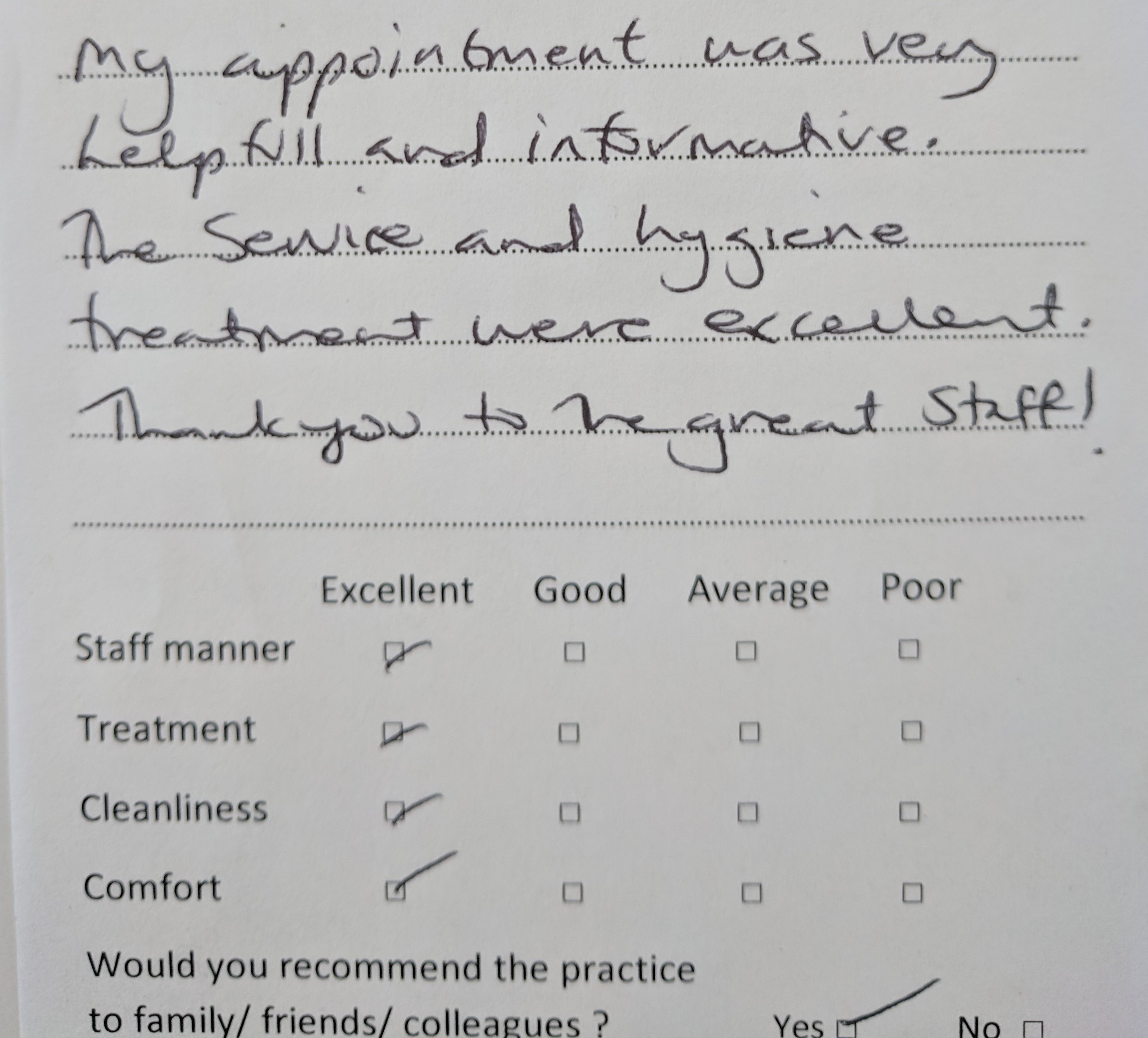
“ My appointment was very helpful and informative.
The service and hygiene treatment was excellent.
Thank you to the great staff ! ”

Dental hygiene appointments are with our experienced female Dentist. Our friendly Dental Nurse assists to ensure your comfort throughout your visit. A written treatment plan is provided for dental insurance such as Simplyhealth Benefit from having your teeth professionally cleaned at our nearby modern dental clinic in Perivale, Greenford Ealing near W5 W7 W13. By removing tartar and tooth stains we aim to help you gain a healthy and brighter smile.

Bespoke homecare advice is given to help you take control of your dental health and maintain your smile. You are also given a free prevention pack of toothpastes to take away.

Online Appointment Booking Form
Name

Email address

Telephone number

Preferred appointment day & time slot ?