Root Canal Treatment vs Extraction
What is Root Canal Treatment?
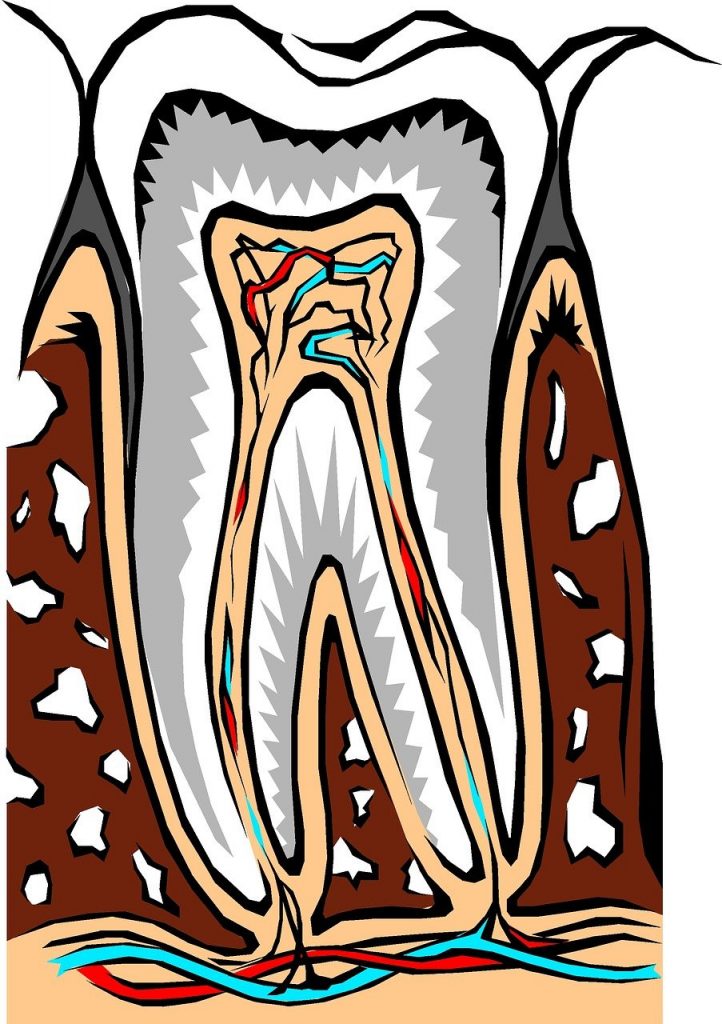
Root canal treatment is a dental procedure where the inside of a damaged tooth is cleaned out with an aim to try and save it. If a tooth’s nerve chamber, also known as the pulp, is damaged because of tooth decay or injury, then root canal treatment is often the only way to save it. If the pulp chamber damage is limited, then vital pulp therapy may be an option instead of root canal treatment, however this is for specific situations.
When a root canal treatment is the only treatment option to try and save the tooth, the alternative is an extraction. A dental extraction is when the tooth is removed from the mouth. A space is left where the missing tooth used to sit.
Saving the natural tooth is almost always better than having an extraction, as it prevents other teeth from shifting into the space where the tooth was. It also maintains chewing function. If it’s a front tooth, it will also maintain appearance and the smile.
What is vital pulp therapy?
Vital Pulp Therapy is a modern technique to avoid the costly and complex dental procedure of Root Canal Treatment. Vital Pulp Therapy takes less time and costs a lot less than Root Canal Treatment.
Why do I need a root canal treatment?
If the pulp inside your tooth is infected, inflamed, or dead, this can lead to pain or infection. Sometimes there is no pain. Usual causes of tooth damage are deep tooth decay, cracks, or injury.
What happens if I don’t get one?
The infection can spread, leading to a dental abscess This can be a swelling in the mouth or on the face. The tooth will likely need to be extracted.
Does a root canal treatment hurt?
Generally, no. A local anaesthetic is given in the mouth. Any discomfort is usually similar to when having a filling.
How long is the recovery after root canal treatment?
You may experience some discomfort for a few days following treatment. This can often be managed with over-the-counter pain medication.
Root Canal Treatment is an intricate procedure and although with the latest techniques, success rates are high, like any procedure involving biological tissue, it may not be successful. If there are residual ongoing problems or symptoms after completion of root canal treatment, then the tooth will require extraction.
What should I avoid after root canal treatment?
Avoid chewing or biting with the treated tooth until a permanent filling or crown is placed, and avoid extreme temperatures.
Do I need a crown after?
Often, yes. A root canal makes a tooth more brittle and is at risk of breaking. To strengthen the tooth and reduce the risk of it breaking, a crown is advisable. If the tooth is very broken down, sometimes a post may need to be placed in the root, following the root filling, in order to help build up the tooth, prior to placing the crown.
“ Very helpful, polite. Couldn’t do enough to ensure I was comfortable during procedure. Clear in explanation of what would happen. I felt very prepared. Thank You ! ”
At Dentael, we aim to put you at ease so you can relax during your dental treatment. Whatever your dental concerns, we’re here to help you find solutions. As a long standing member of Royal College of Surgeons of England. our dentist has years of experience and has a friendly approach. We offer root canal treatment in Ealing and surrounding areas as part of our range of modern dental treatments.
Our modern dental clinic is conveniently located for residents, workers and students in the West London and Middlesex areas of Ealing, Greenford, Perivale, Hanwell, Northolt, Acton, Harrow, Wembley, Southall, Ruislip, Chiswick, Hounslow, Hillingdon, and beyond. For modern dentistry in a calm atmosphere, book your appointment.